Introduction
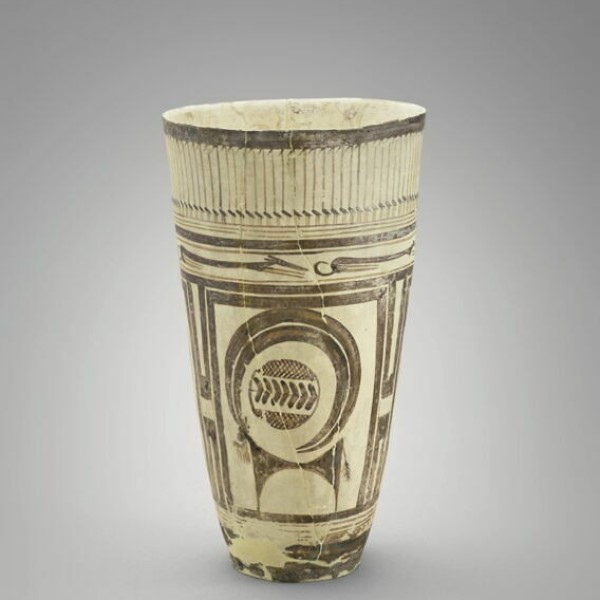
The beaker with ibex motifs is not just an ordinary piece of art; it is a fascinating artifact that encapsulates the cultural, spiritual, and artistic values of ancient civilizations. This remarkable ceramic piece features intricate designs of ibexes, symbolizing various qualities and beliefs across different cultures. In this comprehensive guide, we will delve into the rich symbolism behind the ibex motifs, explore the historical context of the beaker, and analyze its artistic features. By understanding the deeper meanings and historical significance of this ancient artifact, we can appreciate not only its beauty but also its role in the narratives of the people who created it.
Historical Context of the Beaker with Ibex Motifs
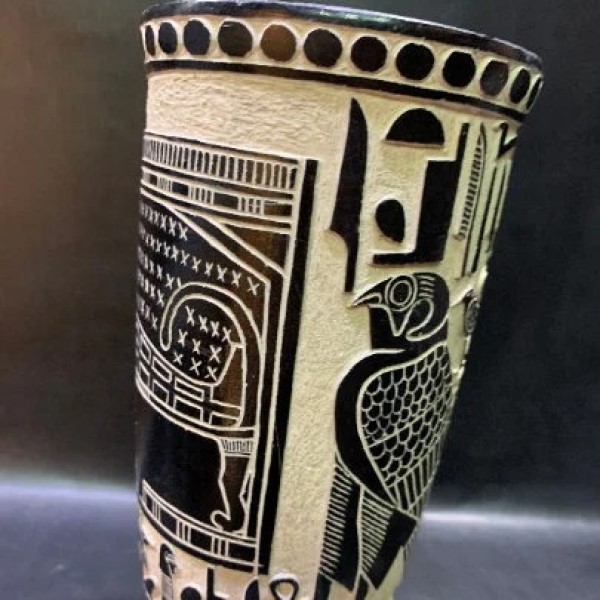
To fully grasp the significance of the beaker with ibex motifs, we must first examine its historical background.
- Origins: The beaker originates from the ancient civilizations of the Near East, particularly the regions known for their advanced ceramic techniques, such as Mesopotamia and Anatolia. These areas produced exquisite pottery that reflects the artistry of their time.
- Date of Artifact: Scholars typically date beakers depicting ibex motifs to around 2000-1000 BCE. This timeframe corresponds to a period of significant advancements in pottery and artistic expression within ancient societies.
- Cultural Importance: The creation of such ceramics involved not only technical skill but also cultural significance. These objects were often used in rituals, trade, or daily life, linking them directly to the community and its practices.
- Craftsmanship: Potters used hand-building methods and applied paints derived from natural minerals for pigmentation. The techniques used in crafting the beaker demonstrate the artisans’ creativity, as they blended functionality with artistic expression.
Symbolism of the Ibex
The symbolism attributed to ibexes runs deep in the context of the beaker and beyond.
- Strength and Agility: The ibex is primarily regarded as a symbol of strength and agility due to its ability to navigate rugged terrains. This feature often influences how cultures view the animal as a representation of resilience.
- Spiritual Connection: In various cultures, ibexes hold spiritual significance, seen as creatures that bridge the gap between the earthly and the divine. This connection may stem from their elusive nature, as they are often found in mountainous areas away from human settlements.
- Cultural Symbolism: Ancient peoples frequently used the ibex motif in art to convey messages about the natural world, hunting, and the human condition. For this reason, the ibex is often depicted in various art forms, serving as a reminder of the balance between humanity and the environment.
Artistic Elements
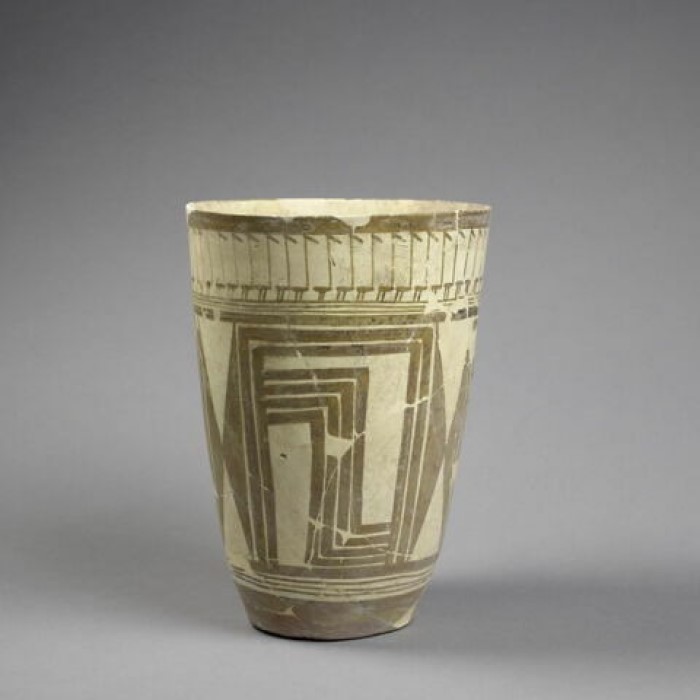
The artistic features of the beaker with ibex motifs showcase the talents of ancient artisans.
Design Characteristics:
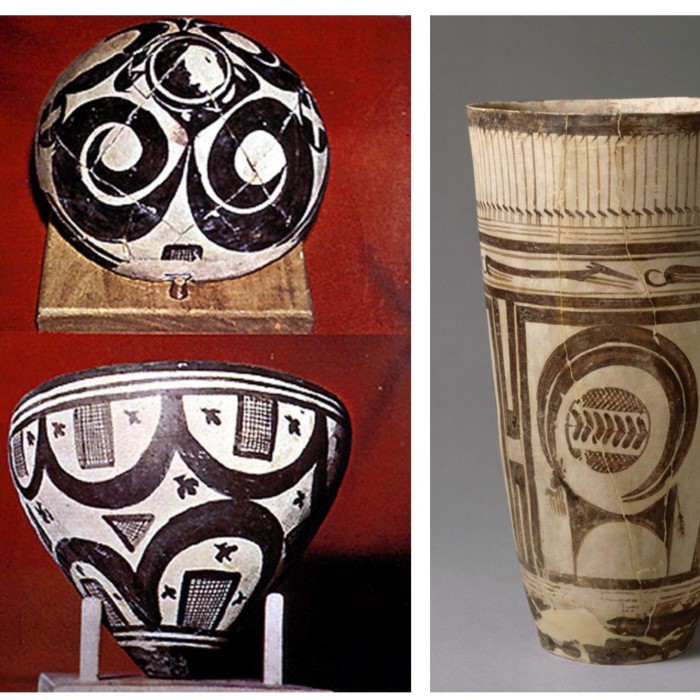
- The beaker showcases elegantly stylized ibex figures that twist and turn around its surface, creating a visually captivating design.
- These figures are artfully rendered, capturing the unique characteristics of ibexes while infusing them with artistic flair.
- The dynamic poses of the ibex suggest energy and movement, effectively drawing viewers into the story depicted on the beaker.
- Each ibex pose conveys a sense of action, making the figures appear almost alive as they engage with one another.
- By surrounding the beaker with these lively motifs, artisans create a narrative that encapsulates the spirit of their culture and beliefs.
- This thoughtful arrangement invites observers to explore the relationship between the ibex figures, enhancing the overall visual intrigue of the piece.
Use of Color:
- Artists meticulously utilized natural clay and mineral pigments to achieve the colors on the beaker.
- This choice of materials results in a warm color palette that includes soft browns, reds, and whites, echoing the natural environment.
- The earthy tones resonate with the motifs themselves, helping to ground the artwork in its cultural context and natural surroundings.
- These colors enhance the prominence of the ibex figures against the background. Allowing them to stand out while maintaining harmony with the beaker’s overall aesthetic.
- The subtle variations in color add depth to the surface, creating visual interest that encourages viewers to examine every detail closely.
- Ultimately, the use of a warm color palette reinforces the beaker’s connection to the earth. Highlighting the artisans’ deep appreciation for their environment.
Creating Movement:
- The artisans skillfully created a sense of physical movement through expressive curving lines and intricate detailing in the design.
- The flowing lines of the ibex figures guide the viewer’s eye, suggesting a sense of dynamic motion across the surface of the beaker.
- The positioning of the ibex figures is intentional; they not only portray physical grace but also reflect a narrative fluidity characteristic of great storytelling in art.
- By varying the angles and poses of the figures, artisans imbue the beaker with a lively, kinetic quality that captures the viewer’s imagination.
- This sense of movement invites observers to become engaged with the artwork, encouraging them to envision the actions and interactions taking place among the ibexes.
- Altogether, the way movement is incorporated into the design enriches the storytelling aspect of the beaker, creating a more immersive viewing experience.
Function and Use of the Beaker
Understanding the function of the beaker with ibex motifs adds another layer to its significance.
- Practical Use: Initially designed as a vessel for drinking or storing liquids, the beaker serves a dual purpose—functionality combined with decorative artistry. This aspect signifies the importance of beauty in everyday objects within ancient cultures.
- Ritualistic Elements: The decorative motifs may indicate that the beaker had ceremonial significance. Its use in religious or communal rituals would reinforce the spiritual connection that the ibex symbolized.
- Status Symbol: As a finely crafted piece, the beaker may have indicated status within a community. Wealthy or influential individuals likely possess such artifacts, making them valuable not only for their utility but also for their artistic merit.
Contemporary Relevance
Even in today’s world, the beaker with ibex motifs holds significance.
Cultural Reflection:
- Modern artists actively seek inspiration from ancient materials and motifs, including the ibex.
- They incorporate these elements into their work, creating contemporary pieces that pay homage to traditional craftsmanship.
- By using ancient symbols like the ibex, artists bridge the gap between past and present, blending historical significance with modern design.
- This practice not only fosters creativity but also provides audiences with a connection to cultural heritage that influences contemporary art.
- Many artists experiment with various mediums and techniques traditionally used by their ancestors, reviving these methods in their unique contexts.
- As a result, this reflection of culture enriches the art world, inviting discussions on the significance of ancient symbols in today’s society.
Educational Value:
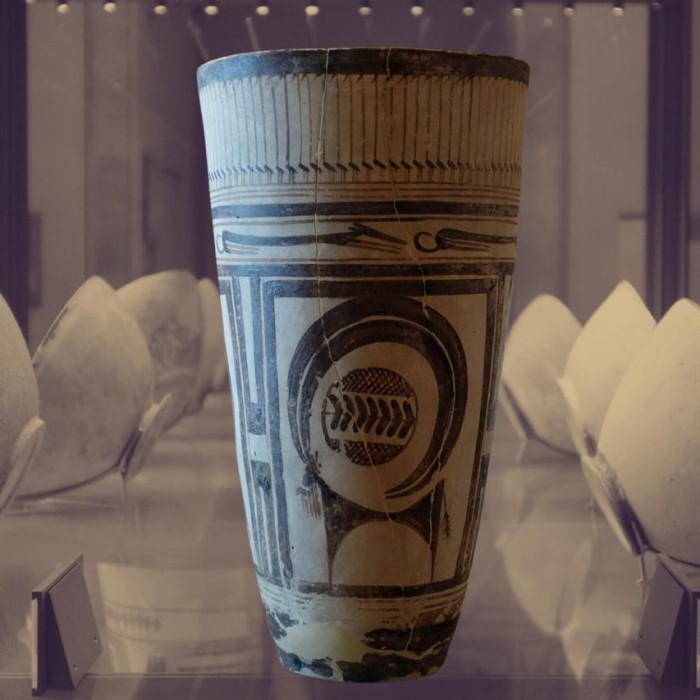
- Museums showcase the beaker with ibex motifs as part of their permanent collections.
- This display educates visitors about ancient cultures, providing insights into their beliefs, practices, and artistic expressions.
- Each artifact, including the beaker, tells a story that connects modern audiences with the past. Illuminating the cultural context in which it was created.
- By facilitating learning experiences, museums help visitors appreciate the artistry and significance of these pieces.
- The beaker acts as a bridge between ancient and contemporary society. Allowing a deeper understanding of the roots of artistic expression.
- Educational programs and exhibitions often include interactive elements that engage visitors, further enhancing their connection to history.
Cultural Heritage Preservation:
- Recognizing the beaker as part of humanity’s cultural heritage promotes greater awareness and appreciation of art history.
- This recognition emphasizes the importance of preserving artifacts that represent unique aspects of cultural identity.
- By understanding their historical context, society can foster meaningful dialogues about how these pieces impact and inform modern artistry.
- Efforts to preserve cultural heritage encourage individuals to reflect on their own identities and how these relate to historical narratives.
- Additionally, celebrating artifacts like the beaker fosters a sense of pride in cultural legacy, motivating communities to safeguard their histories.
- Ultimately, this preservation contributes to a richer understanding of the complex interrelationships between past artistic practices and contemporary creative expressions.
Frequently Asked Questions
What does the beaker with ibex motifs represent?
The beaker with ibex motifs represents qualities such as strength and agility, while also embodying the spiritual connection between humanity and the divine, as suggested by the symbolism of the ibex.
Where is the beaker with ibex motifs now?
Many similar beakers typically reside in museums that focus on ancient cultures and artifacts. They serve as educational tools for understanding the artistry and cultural significance of the time.
What is the beaker with ibex, dogs, and long-necked birds?
The beaker featuring ibex, dogs, and long-necked birds is an example of intricate ceramic artistry, showcasing the diversity of animal motifs used in ancient cultures. Each motif serves a symbolic purpose, interweaving the themes of nature and humanity.
How did the artist create a sense of physical movement on the bushel with ibex motifs?
The artist conveyed a sense of physical movement through the use of curved lines and dynamic poses of the ibex figures. This representation adds energy and vitality to the design, immersing viewers in the narrative.
Conclusion
The beaker with ibex motifs is a captivating artifact that reflects the artistry and cultural values of ancient civilizations. By understanding its historical context, the symbolism of the ibex, and the significance of its artistic elements, we can appreciate the deeper meanings embedded within this exquisite ceramic piece. More than merely a functional object, the beaker stands as a testament to the creativity and spiritual beliefs of those who crafted it. As we continue to explore and interpret such artifacts, we strengthen our connection to the past and enrich our understanding of humanity’s shared cultural heritage. Through artifact preservation and public education, the legacy of the beaker with ibex motifs will endure, inspiring future generations to explore the timeless relationship between art, culture, and identity.