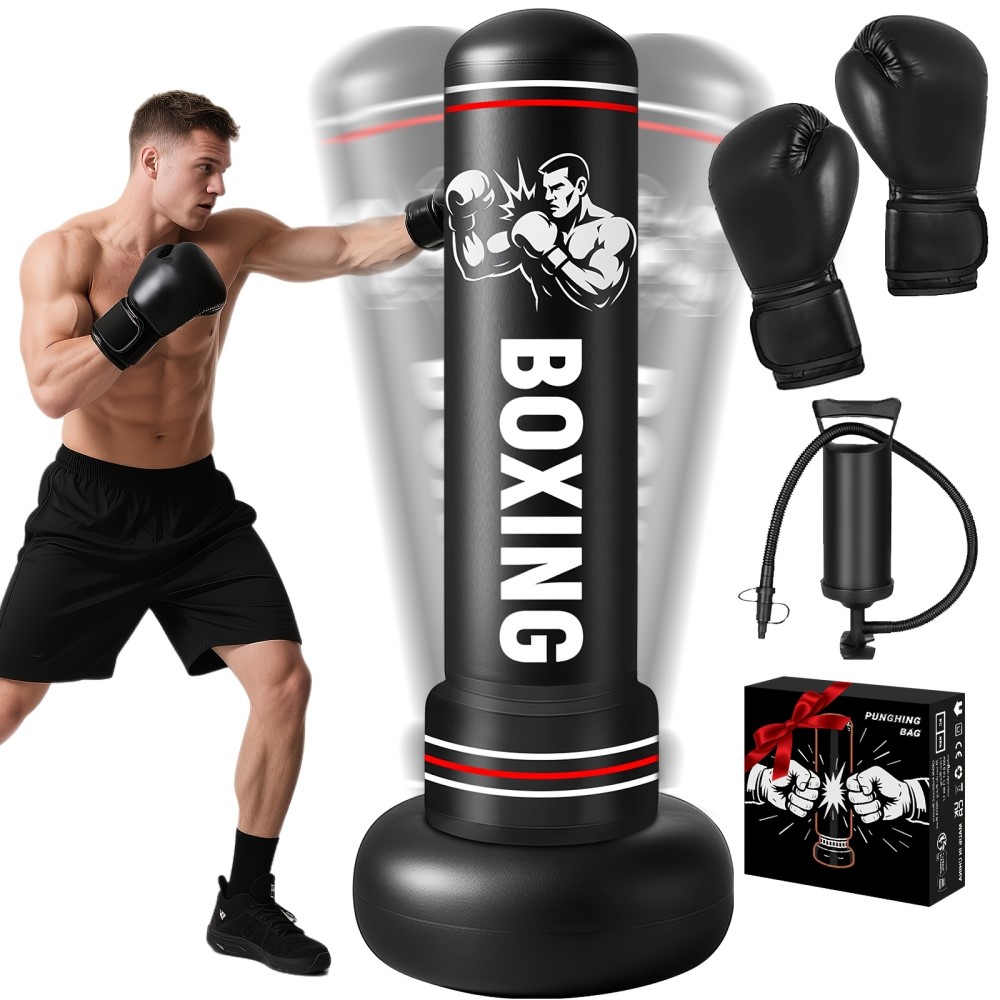
When starting a boxing, martial arts, or fitness journey, one of the most important decisions you’ll make is selecting the right types of punching bags. These training tools vary in size, shape, weight, and function. Each type supports different goals, from building power to improving speed and coordination. Understanding the differences helps you match your needs with the best option.
Some punching bags focus on heavy impact. Others emphasize movement and agility. Whether you’re training at home, in a gym, or preparing for competition, knowing the types of punching bags ensures effective workouts. From hanging heavy bags to freestanding models and specialized targets, each design serves a unique purpose. As more people adopt combat-inspired fitness routines, demand for these tools grows. This guide explores every major category so you can choose wisely.
 Hanging Heavy Bags
Building Strength and Power
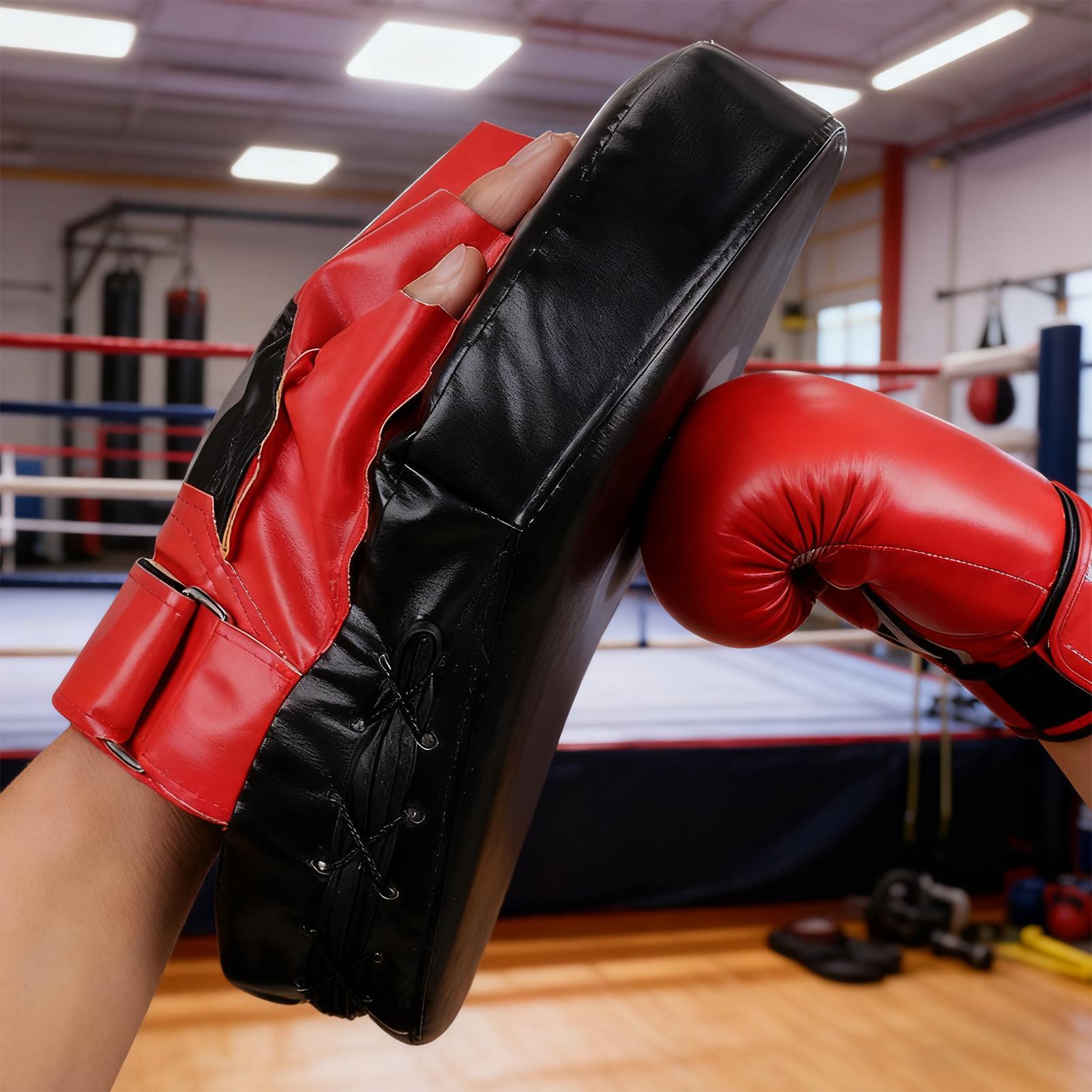
Hanging heavy bags are among the most common types of punching bags. They hang from a ceiling mount or stand and allow full-power strikes. Most are cylindrical and filled with fabric scraps, sand, or grain.
These bags absorb strong punches and kicks. They help develop hand speed, core strength, and shoulder endurance. Beginners start with lighter versions around 40–70 pounds. Advanced users often train with 100+ pound bags.
They suit boxers, MMA fighters, and general fitness enthusiasts. You can practice jabs, hooks, uppercuts, and body shots. Kicks from martial artists also transfer well.
Mounting requires secure hardware. Use a high ceiling joist or a wall-mounted bracket rated for dynamic loads. Swivel attachments reduce twisting during use.
Fill level affects firmness. Overfilling makes the bag too stiff. Underfilling causes it to swing excessively. Adjust until it feels balanced.
Leather and synthetic covers offer durability. Leather lasts longer but costs more. Vinyl resists moisture and tears.
Hang at sternum height for optimal alignment. This promotes proper form and reduces strain.
With consistent use, hanging heavy bags improve overall conditioning. They remain a staple across gyms and homes.
Freestanding Punching Bags
Stability Without Installation
Freestanding punching bags offer flexibility where ceiling mounts aren’t possible. These self-supporting units feature a weighted base filled with sand or water.
The base connects to a flexible pole and a padded striking surface. When hit, the bag leans back and returns to center. It simulates movement without permanent installation.
This type works well in apartments, garages, or shared spaces. No drilling or structural changes are needed. Simply place it on a flat floor.
Weight matters. Light bases tip easily under strong kicks. Look for models over 200 pounds when filled. Wider footprints increase stability.
Height is adjustable on many models. Set it to chest or head level depending on your stance. Some extend from 5 to 6.5 feet.
Padding varies in thickness. Thicker foam protects joints during repeated hits. Still, gloves or wraps are recommended.
Use them for shadowboxing combos and light sparring drills. They respond quickly to fast strikes.
However, they don’t support heavy power training. The rebound motion limits force absorption.
Still, their portability and ease of setup make freestanding bags popular. They’re ideal for casual users and beginners.
 Speed Bags
Sharpening Timing and Rhythm
Speed bags are small, teardrop-shaped types of punching bags mounted on a swivel platform. They bounce rapidly after each strike.
Users must time their punches precisely. This trains hand-eye coordination, wrist stability, and rhythm. Boxers rely on speed bags to refine combinations.
They come in various sizes. Smaller bags move faster and require quicker reflexes. Larger ones suit beginners learning timing.
Proper technique involves short, snapping punches. Keep wrists straight and elbows close. Let the bag rebound naturally.
Mounting uses a cup and swivel attached to a wall or frame. Ensure it’s stable and positioned at forehead level.
Inflate slightly if using a bladder model. A soft bag bounces better than an overinflated one.
Start slow. Focus on consistent flow rather than speed. Build stamina gradually.
Training sessions last 1–3 minutes. Repeat with rest intervals. This mimics round-based workouts.
Many gyms include speed bag stations. At-home kits are compact and affordable.
With daily practice, users gain sharper precision and improved cardio endurance.
Double-End Bags
Improving Accuracy and Reflexes
Double-end bags are small rubber balls connected between floor and ceiling with elastic cords. They move unpredictably when struck.
This constant motion challenges accuracy, timing, and defensive movements. Fighters learn to adjust mid-strike.
They promote head movement and footwork. Users duck, weave, and pivot while throwing quick combos.
Installation requires two anchor points. Use eye bolts into ceiling joists and floor plates. Cords should be taut but not overly stretched.
Adjust cord tension based on skill level. Tighter settings create faster rebounds. Looser ones allow more control.
Strikes include jabs, crosses, and uppercuts. Avoid heavy hits that could dislodge the bag.
Gloves or hand wraps protect knuckles. The bag’s surface can be hard on bare skin.
Beginners may struggle at first. The erratic bounce takes time to master. Practice builds confidence.
Sessions are short but intense. Two-minute rounds improve reaction time and agility.
This type of punching bag bridges pad work and live sparring. It’s excellent for sport-specific training.
 Ma Bags (Mma Attack Bags)
Designed for Full-Body Combat Training
Ma bags, or MMA attack bags, differ from traditional types of punching bags. They have an hourglass shape with multiple striking zones.
The top section allows head-level punches. The middle supports body blows. The lower part accommodates knees and low kicks.
These bags mimic an opponent’s torso. Fighters use them to practice clinch strikes, combinations, and transitions.
They hang like heavy bags but offer more angles. You can circle around and attack from different positions.
Most weigh between 70 and 100 pounds. Filled with shredded textiles or fine grains. The density balances give and resistance.
Ideal for mixed martial artists, Muay Thai practitioners, and self-defense trainees. They support diverse techniques.
Use gloves, shin guards, and wraps to avoid injury. The bag withstands kicks, but protection is still essential.
Some models include neck attachments for headbutts or grappling dummies. These add realism.
Hang securely with reinforced chains and swivels. Dynamic movements generate strong forces.
With regular use, ma bags improve fluidity and fight IQ. They prepare athletes for real scenarios.
Body Opponent Bags
Realistic Sparring Simulation
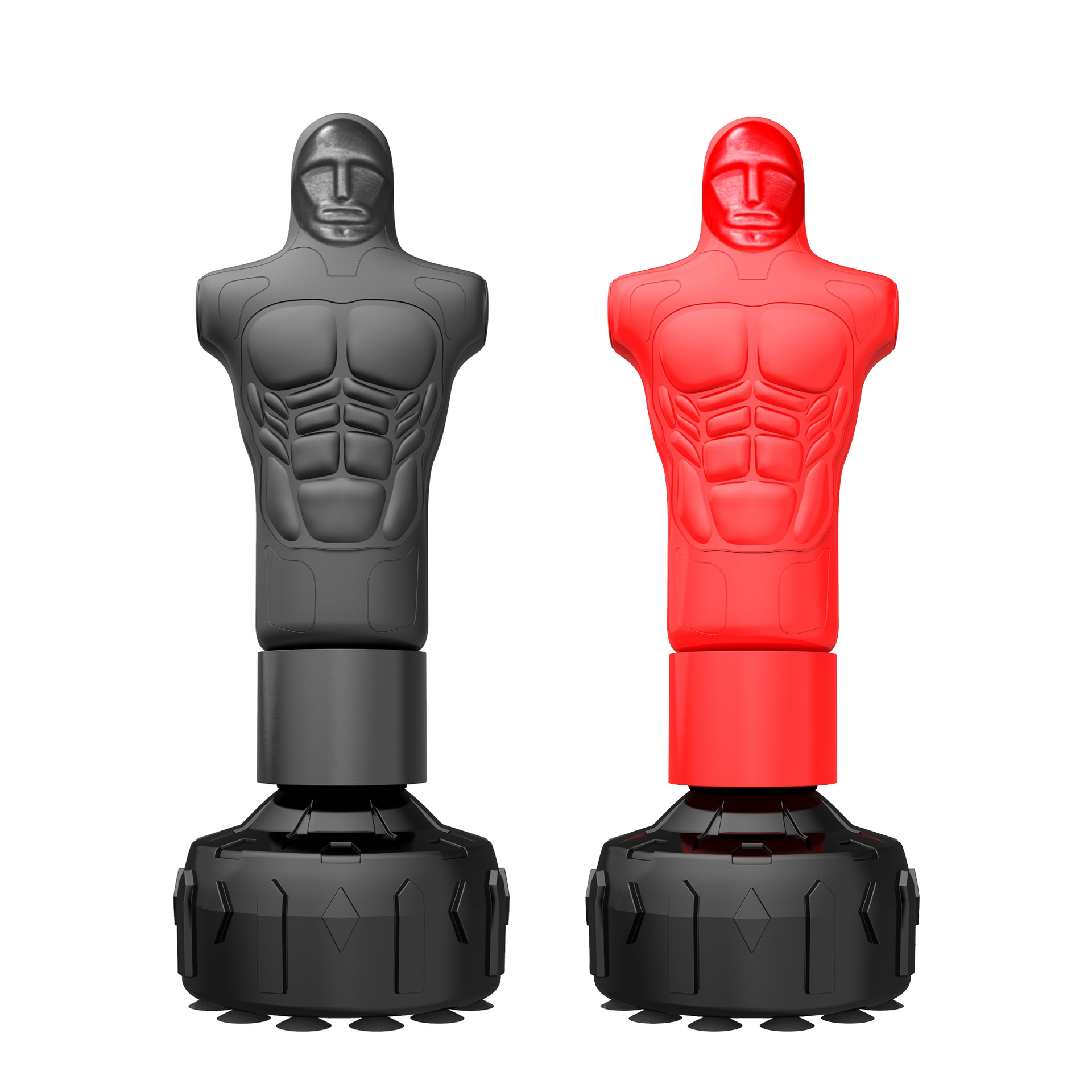
Body opponent bags resemble human torsos. They stand upright and include arms, shoulders, and a defined head area.
These types of punching bags simulate real opponents. Users practice realistic angles and target placement.
You can throw hooks around the arms. Uppercuts land cleanly under the chin. Knees drive into the midsection.
They sit on a base or mount to a stand. Some use spring-loaded poles for movement.
Materials include dense foam and durable vinyl. They resist tearing from repeated impacts.
Great for self-defense and tactical training. Law enforcement and military personnel use them often.
Unlike cylindrical bags, they allow multi-directional attacks. This improves spatial awareness.
Pair with partner drills or solo shadowboxing. They enhance visualization.
Clean surfaces regularly. Sweat and dirt degrade materials over time.
Their lifelike design increases engagement. Training feels more immersive and practical.
 Water-Filled Punching Bags
Adjustable Resistance and Easy Setup
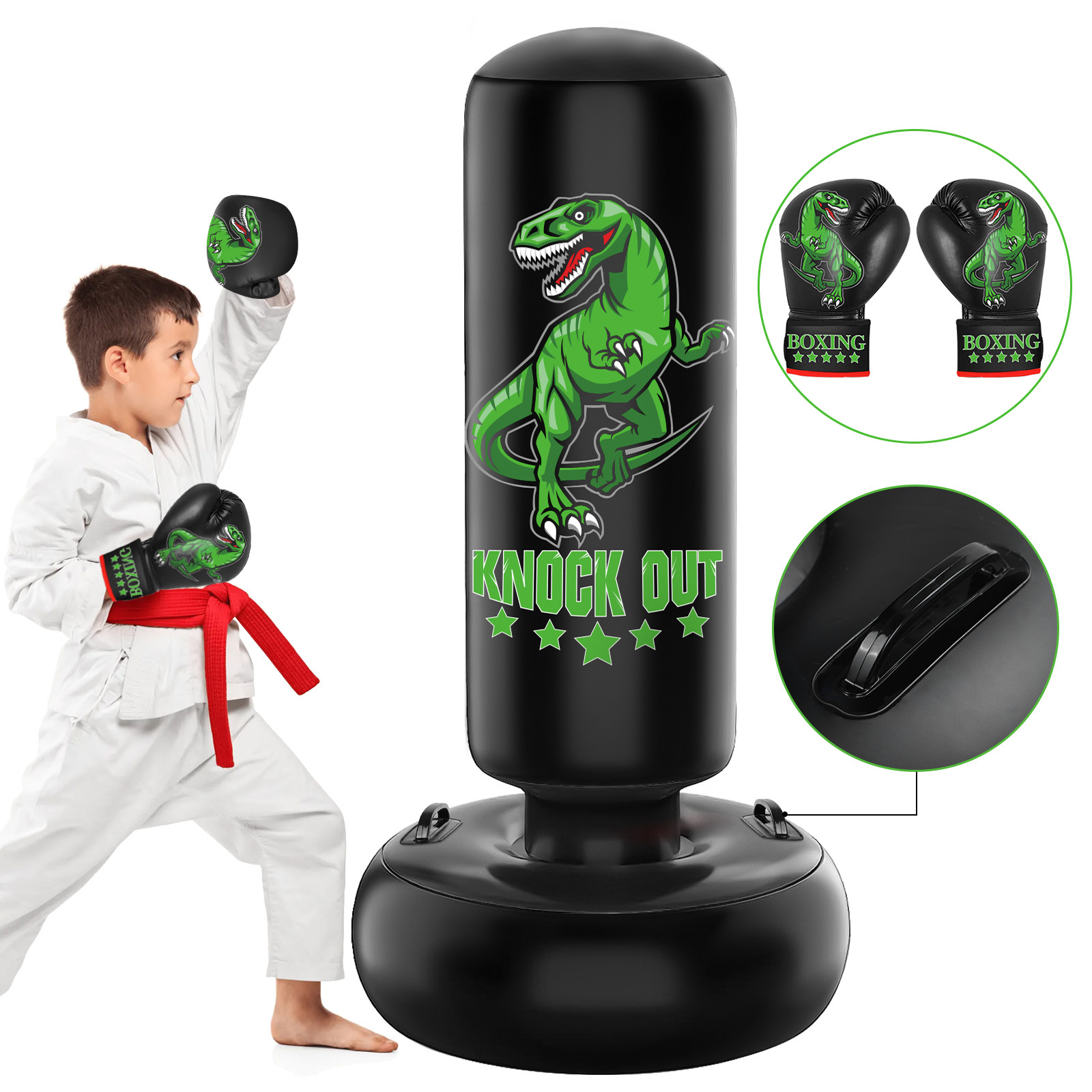
Water-filled punching bags use liquid instead of solid fillers. The base or inner chamber holds water to stabilize the unit.
Resistance changes with water level. Add more for increased stability. Drain some to allow more movement.
These bags connect to a vertical pole and a striking sleeve. The entire system moves on impact.
Setup is simple. Fill through a valve using a garden hose or bucket. No messy sand required.
They’re ideal for temporary locations. Empty the water to move or store. Great for renters.
Base weight prevents tipping. However, uneven floors reduce effectiveness. Place on a level surface.
Padded sleeves absorb strikes. Replaceable covers extend lifespan.
Not suited for power punching. The structure flexes too much under heavy force.
Best for light drills, cardio circuits, and mobility training.
Despite limitations, their convenience makes them a solid choice for casual users.
Frequently Asked Questions About Types of Punching Bags
Common Concerns Answered Clearly
Which bag is best for beginners? Freestanding or hanging heavy bags. They offer balance between resistance and usability.
Do I need gloves? Yes. Always wear hand wraps and gloves. They protect your hands and wrists.
Can I use outdoor bags inside? Only if they’re weather-resistant. Indoor bags degrade faster outside.
How long do punching bags last? Between 2 and 10 years. Quality, use frequency, and care affect lifespan.
Are kids’ bags different? Yes. Smaller, softer versions exist. Height and weight suit younger users.
Can I hang a bag in an apartment? Yes. Use a stud finder and proper hardware. Confirm floor-to-ceiling clearance.
What size bag should I get? Match it to your height. The bottom should reach hip or thigh level.
These answers help buyers make informed choices.
 Final Thoughts: Finding the Right Types of Punching Bags
Choosing the right punching bag depends on your goals, space, and experience. From heavy hitters to speed-focused drills, the types of punching bags offer something for everyone.
Whether you want to build strength, improve reflexes, or simulate real fights, there’s a model designed for your needs. Consider room layout, mounting options, and training style before buying.
With proper use and maintenance, any punching bag becomes a valuable tool. It supports fitness, discipline, and mental toughness.
Ultimately, investing in the right type enhances motivation and results. So explore all types of punching bags—and find your perfect match.

