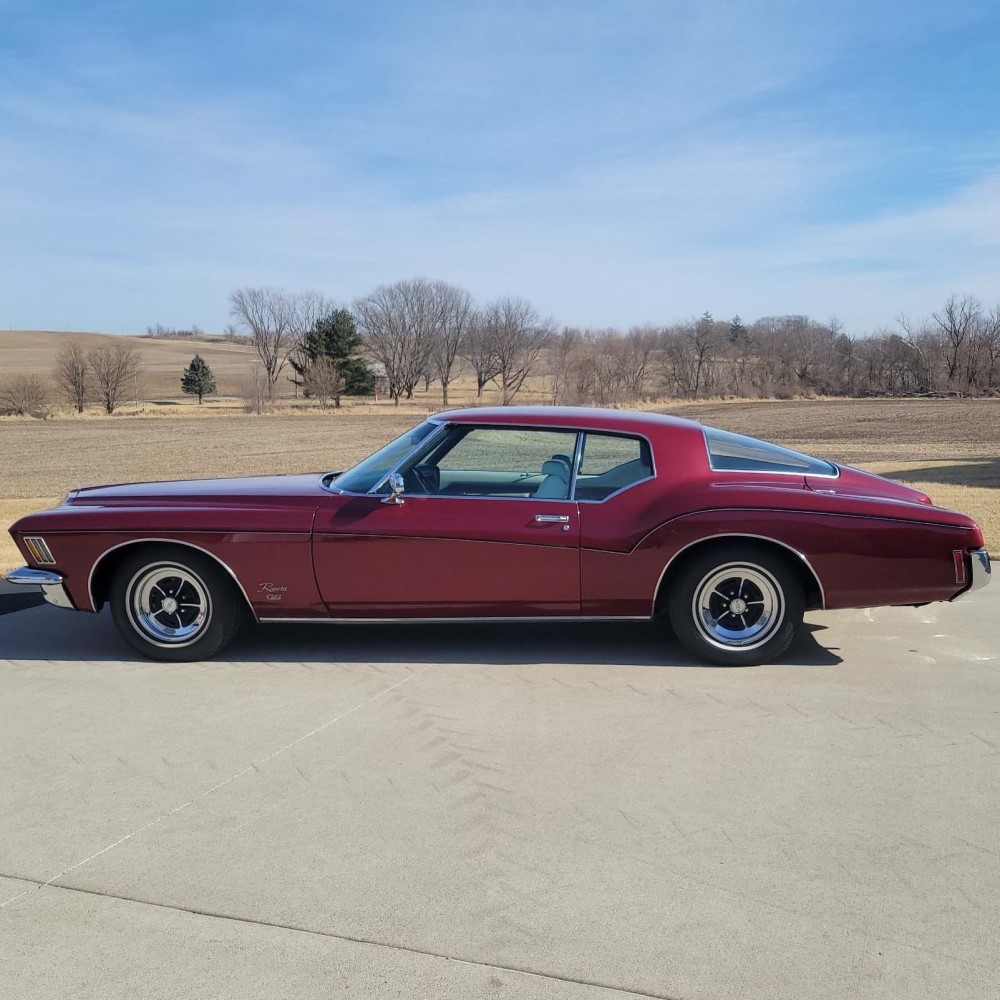
The 1972 Buick Riviera stands as a symbol of American automotive elegance during a transformative era. With its bold design, powerful engine, and luxurious interior, this personal luxury coupe captured the spirit of early 1970s motoring. Built on General Motors’ front-wheel-drive E-body platform, the 1972 Buick Riviera broke from tradition and delivered a smooth, quiet ride unlike many of its rear-wheel-drive rivals.
Moreover, the 1972 Buick Riviera is more than just a classic car—it’s a statement. It combined cutting-edge engineering with flamboyant styling. As more collectors and enthusiasts search for “1972 Buick Riviera,” creating detailed, keyword-rich content helps improve visibility and supports better link rankings. This guide covers everything—from design and performance to ownership, restoration, and market value.
 Why the 1972 Buick Riviera Was a Game-Changer
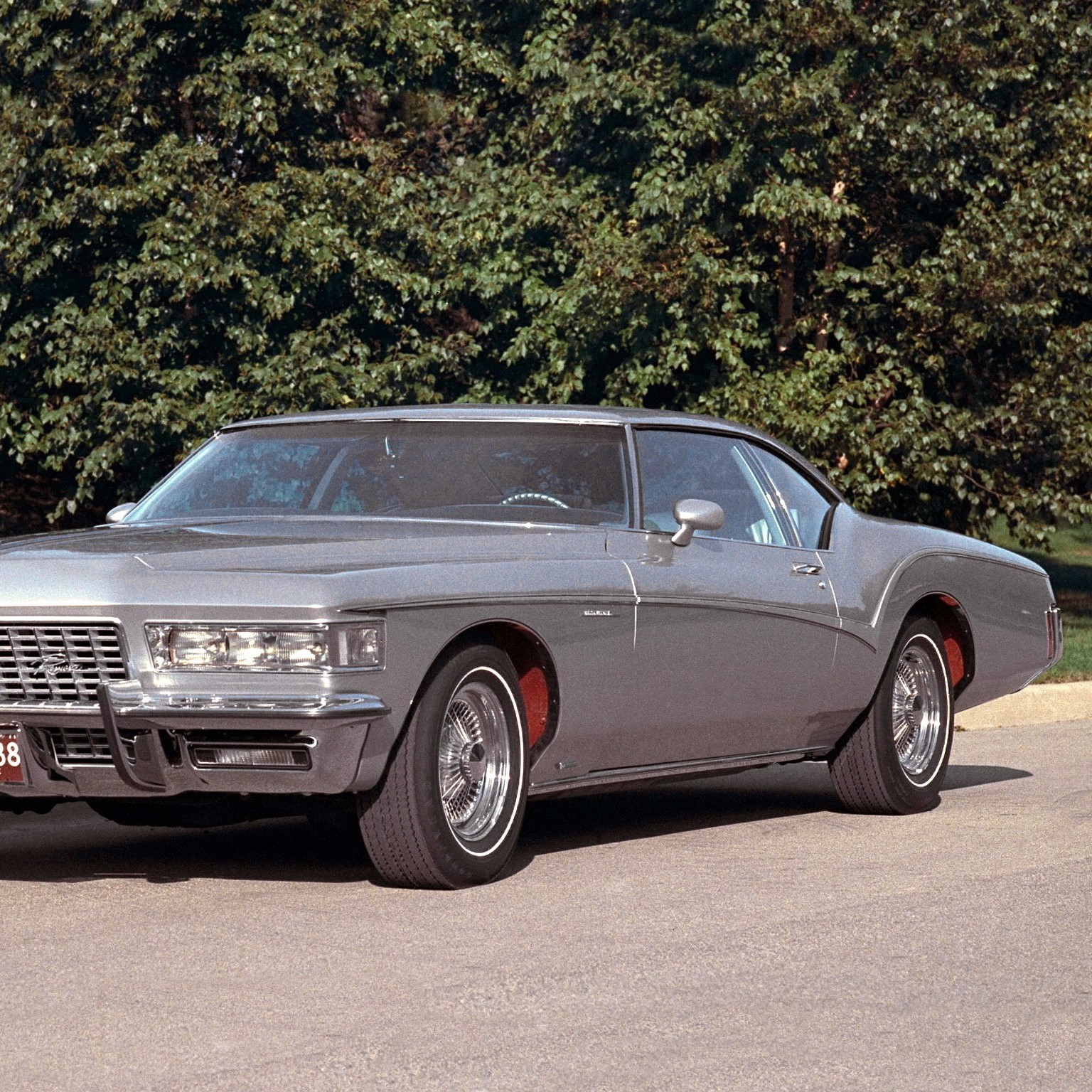
The 1972 Buick Riviera introduced a major design shift. It featured a new, boxier silhouette compared to the sweeping curves of the 1971 model. This gave it a more aggressive and modern presence.
Additionally, the long hood and short deck proportions created a unique balance. The front end included a wide, split grille with quad headlights. These design cues made it instantly recognizable.
Inside, the Riviera offered plush seating and rich materials. Bucket seats wrapped in velour or optional leather provided comfort. Wood trim added a touch of sophistication.
The dashboard was driver-focused. Gauges were large and easy to read. The center console housed the shifter and climate controls. Everything felt within reach.
Furthermore, sound insulation was excellent. The cabin remained quiet even at highway speeds. This made the 1972 Buick Riviera ideal for long-distance cruising.
How It Stood Out in the Personal Luxury Segment
The 1972 Buick Riviera competed with cars like the Cadillac Eldorado and Oldsmobile Toronado. All three used the same front-wheel-drive platform. Yet, the Riviera offered a more balanced price and performance mix.
It appealed to buyers who wanted luxury without excess. The Eldorado felt more formal. The Toronado leaned toward performance. The Riviera struck a middle ground.
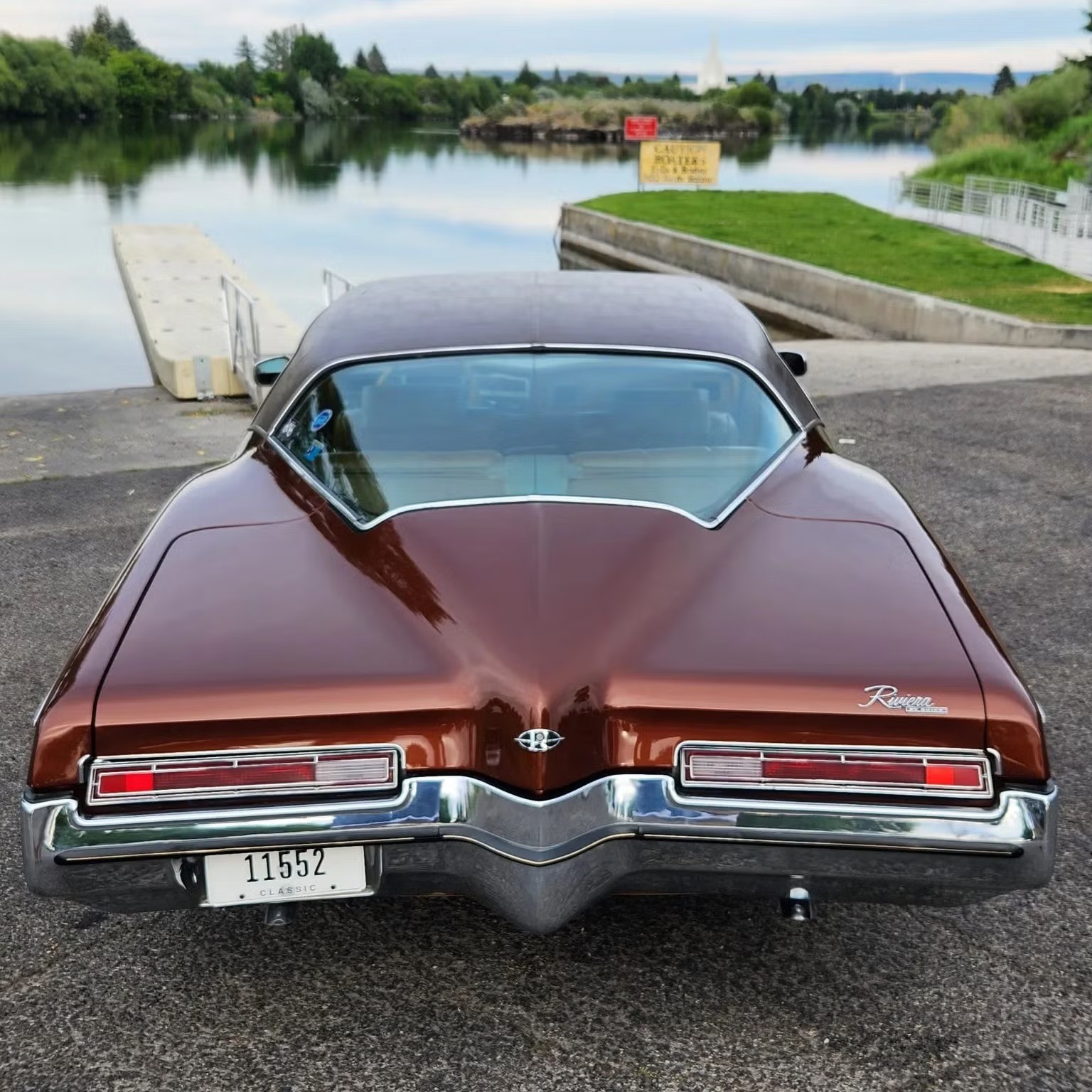
Styling was bolder than its siblings. The “boat tail” rear end with vertical taillights became a signature look. This design improved aerodynamics slightly.
Powertrain options were strong. The standard 455 cubic inch V8 engine delivered ample torque. It moved the heavy coupe with confidence.
Owners appreciated its refined ride. The independent front suspension and rear coil springs soaked up road imperfections. Handling felt stable for its size.
 Design and Styling Features
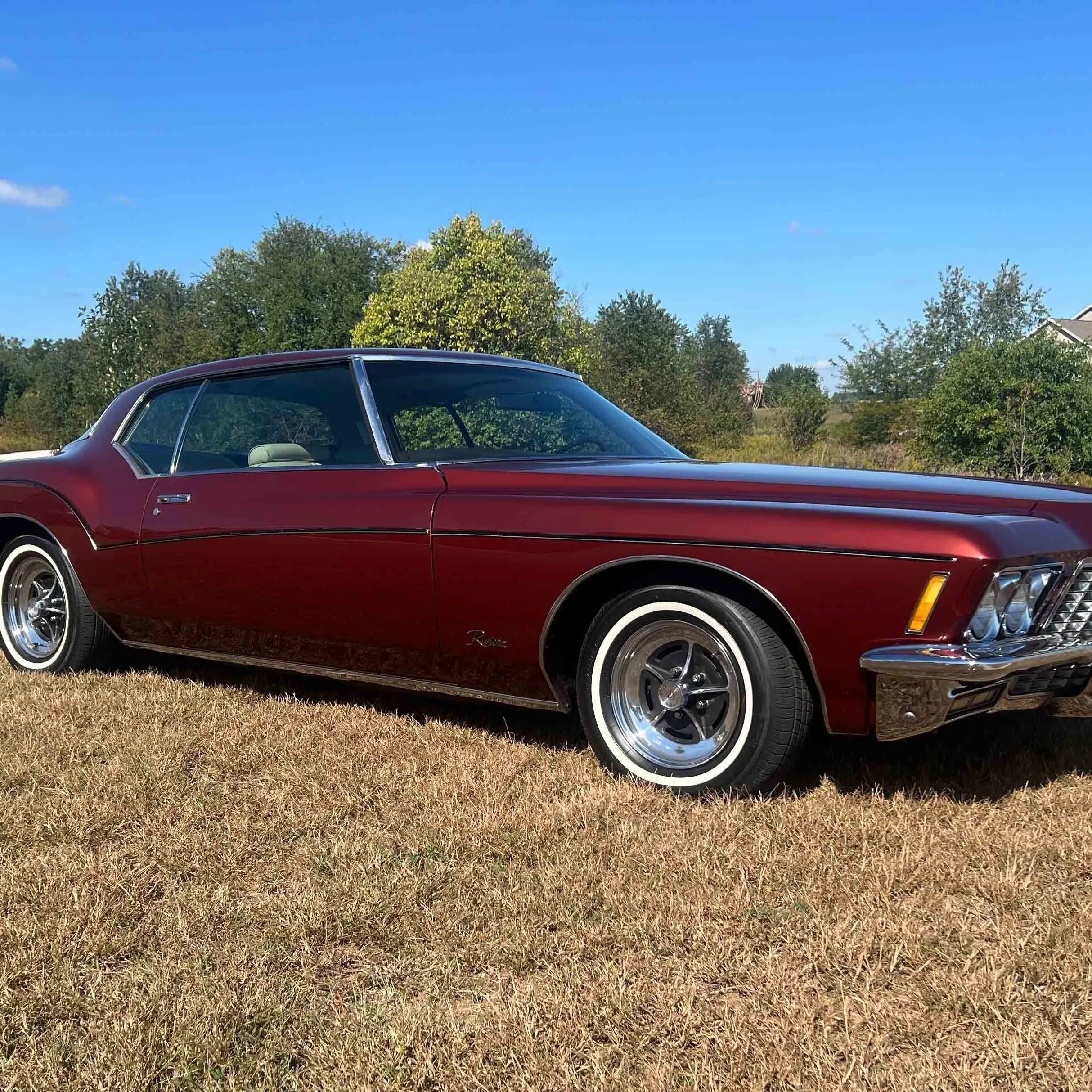
The exterior design of the 1972 Buick Riviera made a strong visual impact. The body measured over 200 inches in length. Its wide stance and low profile gave it a muscular appearance.
The front end featured a wide chrome grille. It split into two sections with a center bar. Quad headlights sat just outside the grille. Turn signals and parking lights flanked the lower edge.
Along the sides, a sharp character line ran from the front fender to the rear. This added visual length and direction. Wheel arches were subtly flared to accommodate wide tires.
The most notable feature was the “boat tail” rear. Inspired by race cars, it tapered slightly inward. Vertical taillights sat at the corners. The trunk lid had a small lip spoiler.
Chrome trim outlined the windows and wheel wells. Dual exhaust tips exited through the rear valance. These details enhanced its upscale image.
Interior Comfort and Technology Highlights
Inside, the 1972 Buick Riviera offered a premium experience. The bench or bucket seats were wide and supportive. Available power adjustments increased convenience.
The steering wheel was thick-rimmed and had a padded center. It featured a full horn ring. Gauges were analog, with a large speedometer in the center.
Air conditioning was a popular option. The system delivered strong airflow. Dual vents in the rear kept backseat passengers cool.
The radio was AM/FM with optional 8-track player. This was a cutting-edge feature at the time. Drivers enjoyed music during long trips.
Optional upgrades included cruise control, tilt steering, and power windows. These features added to the car’s luxury appeal. Carpeting was thick. Door panels included armrests and map pockets.
Powertrain and Performance
The 1972 Buick Riviera came with one engine choice—the 455 cubic inch (7.5L) V8. This big-block engine produced 250 net horsepower. It delivered 375 lb-ft of torque.
Although the horsepower rating seemed low, it used the new SAE net standard. This measured power with all accessories attached. The actual engine was strong and smooth.
The TH425 automatic transmission handled power delivery. It was a three-speed unit designed for front-wheel drive. Shifts were soft and barely noticeable.
Front-wheel drive provided several advantages. It improved interior space. The drivetrain layout reduced noise and vibration.
The car could accelerate from 0 to 60 mph in about 9 seconds. This was respectable for a 4,500-pound luxury coupe. Top speed approached 110 mph.
Handling and Ride Quality on the Road
The 1972 Buick Riviera was not built for sharp cornering. Instead, it prioritized comfort and stability. The suspension system included coil springs in the rear. The front used independent MacPherson struts.
Power steering was standard. It made parking and low-speed maneuvers easy. The steering felt light but remained accurate.
Braking relied on power-assisted front discs and rear drums. The system stopped the car reliably. However, it lacked the bite of modern setups.
The wide 7.75×15-inch wheels came with whitewall tires. These added to the car’s classic look. Ride comfort improved due to the long wheelbase.
Drivers enjoyed a “floating” sensation. The car glided over bumps. Road noise was minimal. This made it a favorite for highway cruising.
 Trim Levels and Available Options
The 1972 Buick Riviera had no formal trim levels. All models were well-equipped. However, several optional packages and standalone features were available.
The most common option was the Stage 1 performance package. It included tuning upgrades, dual exhaust, and special badging. It improved throttle response and sound.
Power windows, locks, and seats were popular. These features added convenience. Many buyers chose them for daily driving ease.
Air conditioning remained a top add-on. The system included a heater and defroster. Controls were simple and reliable.
The 8-track stereo was a must-have for music lovers. It played endless loops of favorite albums. Some models included a rear speaker.
Other options included a tilt-telescopic steering column, cruise control, and wire wheel covers. These enhanced both comfort and style.
Identifying Authentic 1972 Buick Riviera Models
When buying a 1972 Buick Riviera, verifying authenticity is essential. The VIN begins with 445, indicating a Buick Riviera. The 10th digit is “2” for the 1972 model year.
Original engine codes include “W” for the 455 V8. This should match the data plate under the hood. Restored models often keep original parts.
Factory colors included Cameo White, Frost Blue, and Hunter Green. Some rarer shades like Firethorn Red were also available.
Interior colors matched the exterior. Two-tone combinations were common. Original upholstery tags help verify material type.
Look for build sheets if possible. These documents list all factory-installed options. They are valuable for restoration accuracy.
Where to Buy a 1972 Buick Riviera Today
Classic car marketplaces offer the best selection. Websites like Hemmings, ClassicCars.com, and Bring a Trailer list verified vehicles. They include photos, condition reports, and auction details.
Private sellers often list on Facebook groups and forums. The Buick Club of America has active members. They share leads and advice.
Restoration shops sometimes sell completed projects. These cars are fully rebuilt. Prices are higher, but reliability improves.
Auctions feature rare and well-maintained models. Barrett-Jackson and Mecum events attract collectors. Bidding can be competitive.
Local classifieds may have hidden gems. Older owners sometimes sell cars stored for years. These need work but can be affordable.
Tips for Evaluating Condition and Value
Always inspect in person. Photos can hide rust, dents, or electrical issues. Check the frame, floor pans, and wheel wells.
Start the engine. Listen for knocking or smoke. A smooth idle indicates good maintenance. Test all accessories.
Look for original parts. Matching numbers increase value. Reproduction pieces are acceptable but less valuable.
Check for rust. The rear quarter panels and trunk floor are common trouble spots. Salt damage affects older cars.
Use the Hagerty Price Guide for estimates. Fair condition models sell for 8,00012,000. Excellent examples exceed $20,000.
 Frequently Asked Questions
What engine did the 1972 Buick Riviera have?
It came with a 455 cubic inch V8 engine. It produced 250 horsepower and 375 lb-ft of torque.
Was it front-wheel drive?
Yes. The 1972 Buick Riviera used GM’s E-body platform. It shared this with the Toronado and Eldorado.
How many were made?
Approximately 28,000 units were produced. This makes it rarer than some other muscle cars.
What is the top speed?
It can reach around 110 mph. The engine and transmission support highway cruising.
Did it have air conditioning?
Yes. It was an optional feature. Many models include it today.
Is it reliable for daily driving?
It can be, with regular maintenance. Parts are available. Fuel economy is low.
What makes it collectible?
Its unique design, front-wheel drive, and Buick heritage attract collectors. The boat tail rear is iconic.
How much does a restored model cost?
Fully restored examples sell for 18,00030,000. Show-quality cars may exceed that.
 Final Thoughts
The 1972 Buick Riviera remains a standout in American automotive history. Its bold styling, front-wheel-drive layout, and powerful V8 engine make it a favorite among classic car lovers.
From its iconic boat tail rear to its smooth ride, every detail reflects an era of bold design. As searches for “1972 Buick Riviera” continue to grow, informative content helps guide buyers, restorers, and fans.
Whether you’re restoring one, adding it to a collection, or simply admiring its design, the 1972 Buick Riviera delivers timeless appeal.
Let this classic coupe remind you of an age when luxury, performance, and individuality drove every design choice. The 1972 Buick Riviera is more than a car—it’s a rolling piece of art.

