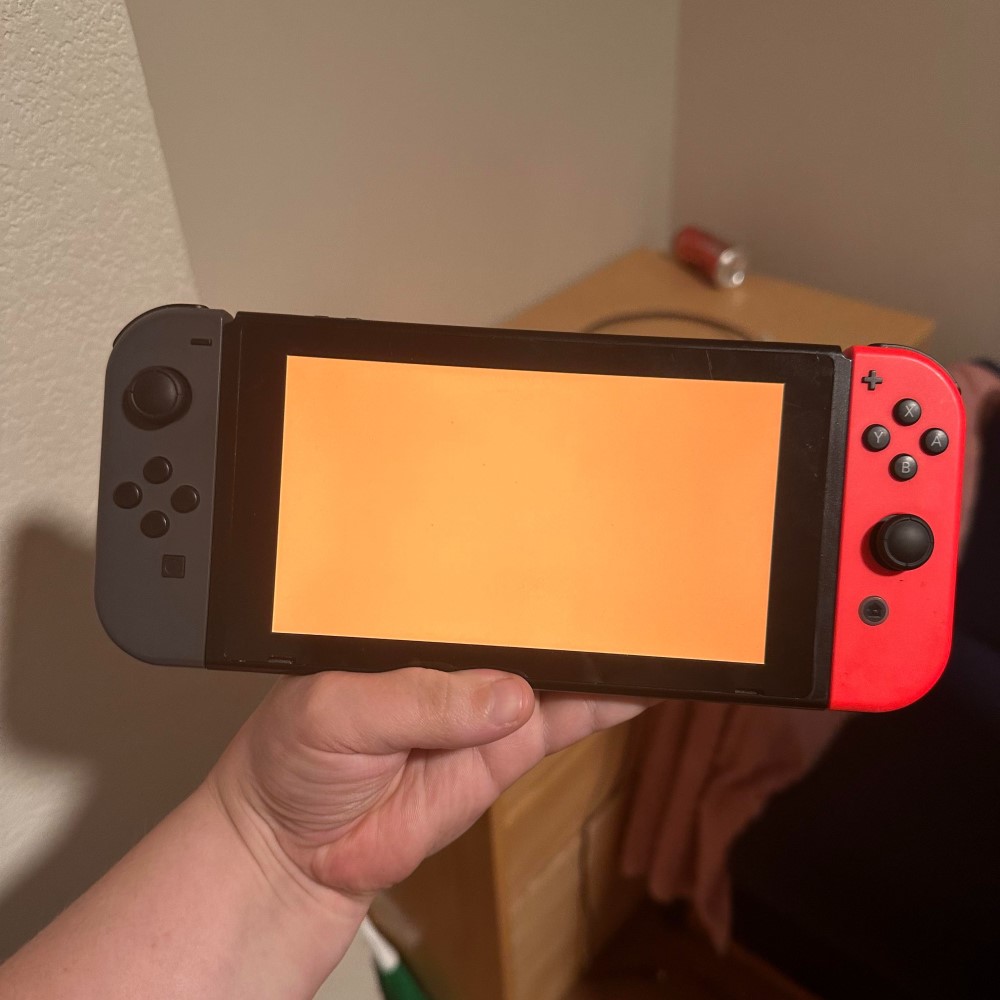
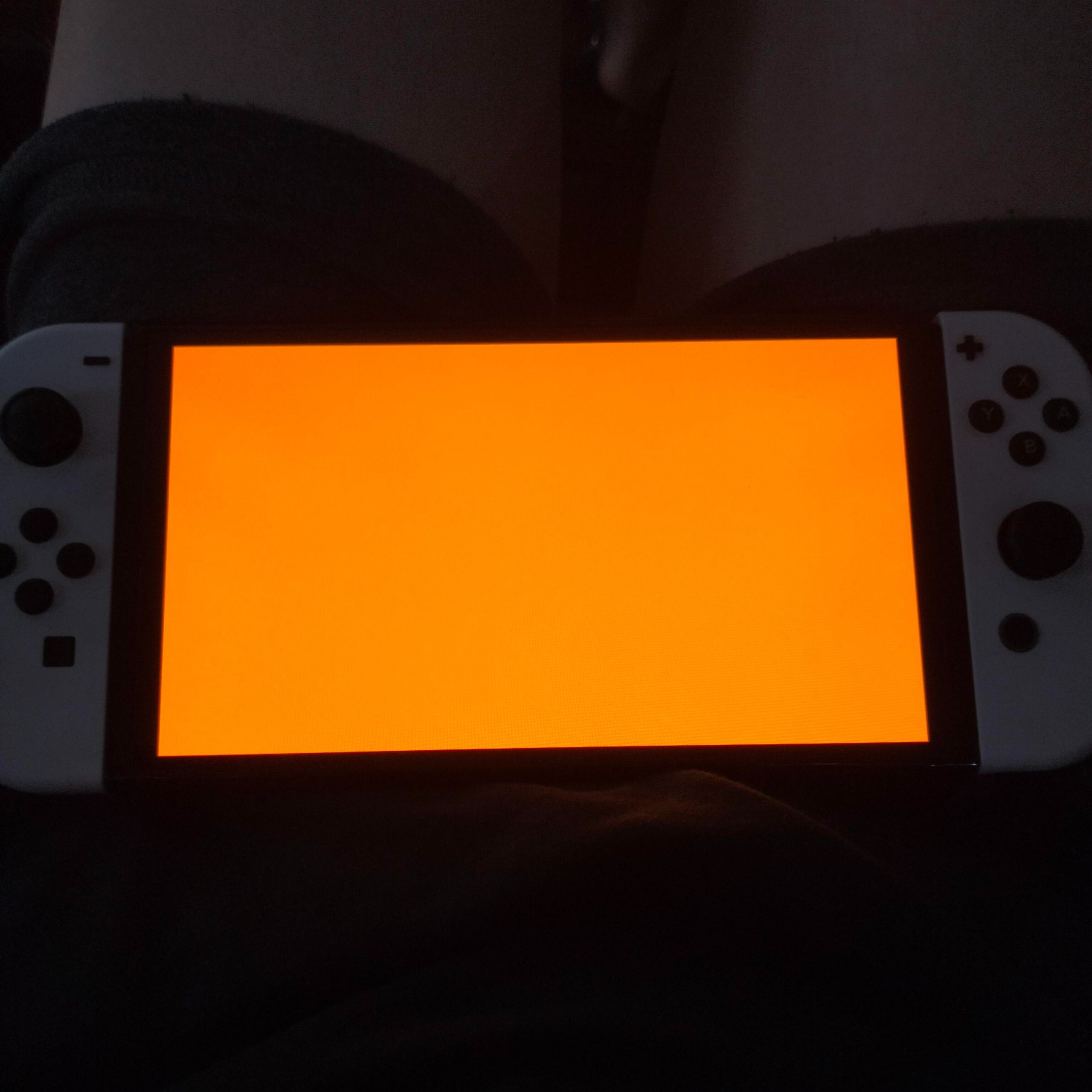
If you’ve ever turned on your Nintendo Switch and noticed an unusual tint, you might be asking, “why is my nintendo switch screen orange?” This discoloration can be alarming. It affects how games look and may signal a hardware or software problem. Many users report this issue after updates, drops, or prolonged use. Identifying the cause early helps prevent further damage.
In addition, the orange hue doesn’t always mean your device is broken. Sometimes, it’s a simple setting change or temporary glitch. Other times, it points to deeper hardware concerns like backlight failure or LCD damage. Because of this range of causes, understanding why is my nintendo switch screen orange is essential for proper troubleshooting. This guide covers every possible reason and solution.
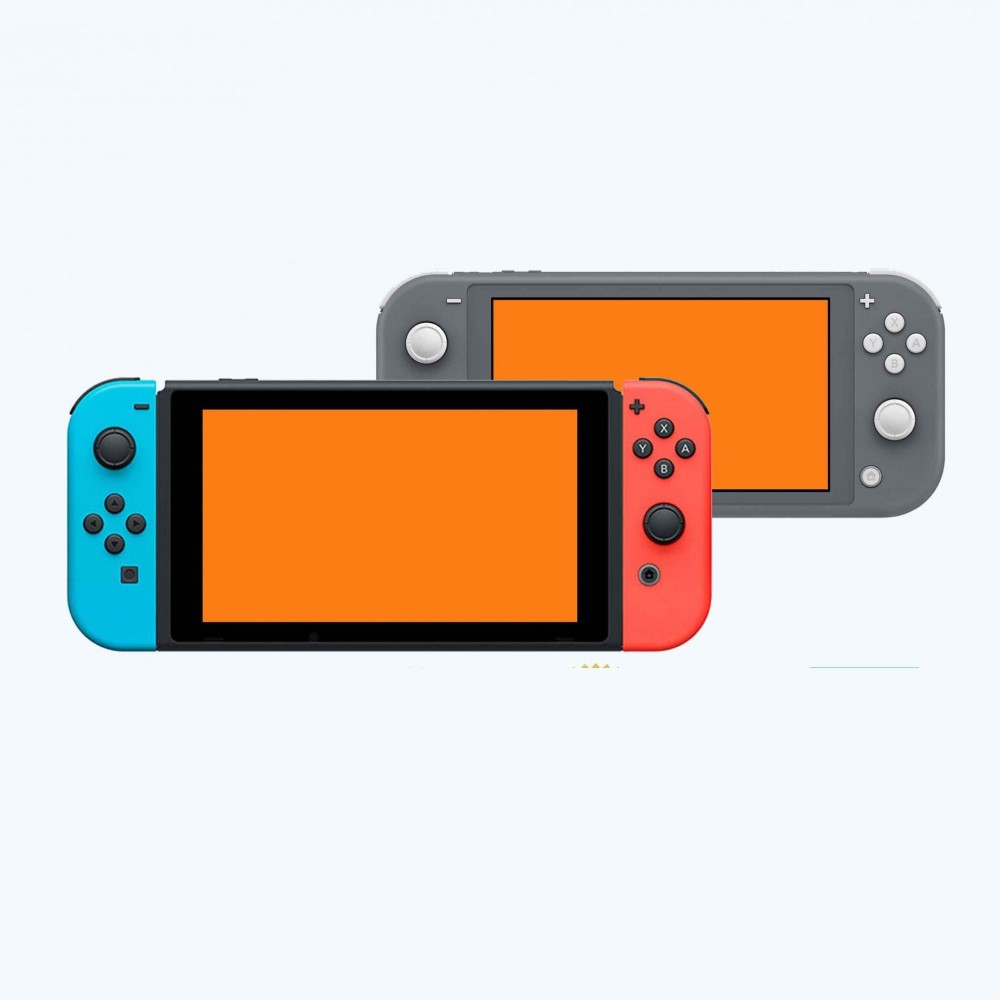 Common Causes Behind the Orange Screen
Identifying Whether It’s Software or Hardware
When you notice that your screen looks overly warm or reddish, the first step is determining the root cause. One possibility is a software-related color shift. The system settings might have changed accidentally. For example, Night Shift or Blue Light Filter could be enabled. These features reduce blue tones and make the screen appear warmer.
Alternatively, a firmware update may reset display preferences. Some users experience this after installing new system updates. In these cases, the orange tint is not permanent. Adjusting the settings often restores normal colors.
On the other hand, hardware issues are more serious. A failing LED backlight can emit a yellow-orange glow instead of pure white. This usually starts subtly but worsens over time. If only part of the screen is affected, it could indicate internal damage.
Physical trauma also plays a role. Dropping the console or applying pressure to the screen may loosen connections. Damaged ribbon cables between the display and motherboard cause color distortion.
Manufacturing defects in older models exist too. Early Switch units had higher rates of screen wear. Constant folding and unfolding the hinge leads to stress.
Therefore, checking both software and physical condition is crucial. Start with the simplest fixes before moving to complex repairs.
How Display Settings Can Cause Color Changes
Adjusting Brightness and Filters Correctly
One common reason why is my nintendo switch screen orange lies within the system settings. The most likely culprit is the Blue Light Filter. This feature reduces eye strain by warming up the display. It’s designed for evening use. However, if left on during daytime, it gives everything an orange cast.
To fix this, go to System Settings > Screen > Blue Light Filter. Check if it’s active. You can disable it immediately or adjust the schedule. Choose “Off” for full-color accuracy.
Brightness levels affect perception too. Very low brightness makes dark scenes look muddy. Increase it slightly to see true colors. Compare against known images or videos.
Auto-Brightness may also contribute. It adjusts based on ambient light. In dim rooms, the screen shifts warmer. Turn it off if you prefer consistent visuals.
Some users install third-party themes. Custom backgrounds and fonts sometimes alter contrast. Reset to default theme to test changes.
Screen calibration tools don’t exist on the Switch. Unlike smartphones, there’s no built-in color adjustment. This limits control over display output.
However, playing video content helps verify normal function. Try watching a YouTube clip through the browser. If colors still look off, the issue persists beyond gaming.
Always restart the console after making changes. This clears any stuck processes. Then, recheck the screen appearance.
By reviewing each setting carefully, many users resolve the orange tint without repair.
 Physical Damage That Leads to Discoloration
Signs Your Screen Has Been Compromised
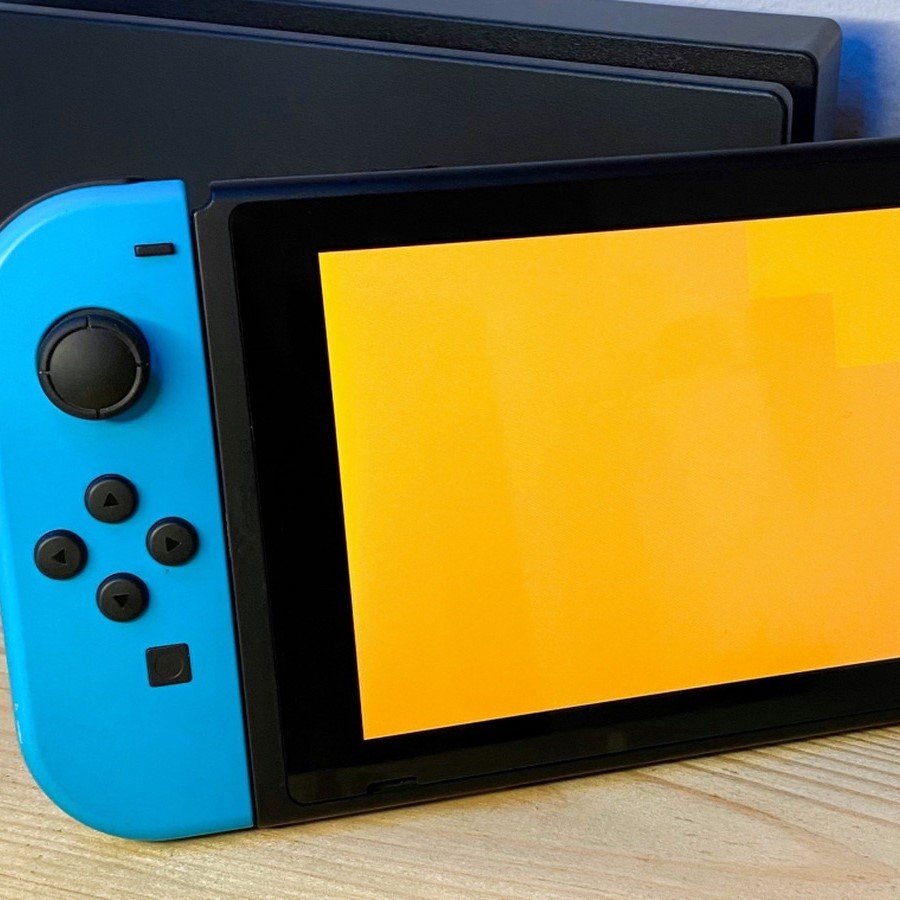
Sometimes, the reason why is my nintendo switch screen orange is due to physical harm. Even minor drops can damage internal components. When the device hits a hard surface, the impact may crack the LCD panel. This kind of injury often shows as discolored patches or lines.
Pressure marks are another sign. Placing heavy objects on top of the closed console bends the screen. Over time, this creates permanent spots. They may start yellow and turn orange under certain lighting.
Hinge stress builds up from daily use. Opening and closing the Switch thousands of times wears down connectors. A loose connection in the display cable causes flickering or color shifts.
You might also see vertical or horizontal lines. These often accompany the orange tint. They appear when data transmission between the screen and main board weakens.
Water or liquid exposure increases risk. Spills inside the unit corrode circuits. Moisture near the screen connector disrupts signals. Even dried spills leave residue.
Heat damage is less common but possible. Leaving the Switch in direct sunlight warps materials. High temperatures affect LED performance. The backlight dims and shifts color.
Inspect the screen under bright light. Look at solid white or gray backgrounds. Any uneven areas suggest physical flaws.
If the orange effect appears only when the screen is tilted, it’s likely a connection issue. Wiggling the display may change the image briefly. This confirms a loose cable.
While software fixes won’t help here, professional repair may restore function. Handle the device gently until then.
What to Do After a System Update
Fixes When Orange Appears Post-Update
After installing a new system update, some users report sudden display changes. So, if you’re wondering why is my nintendo switch screen orange after an update, you’re not alone. Updates occasionally reset user preferences. This includes screen filters, brightness, and audio settings.
First, check for automatic filter activation. The Blue Light Filter may have turned on by default. Go into settings and confirm it’s disabled. Also, ensure no scheduled timers are affecting current use.
Next, reboot the console completely. Hold the power button for 12 seconds. Then press again to restart. This clears temporary glitches caused by incomplete installations.
Check if the issue occurs in all modes. Test handheld, docked, and tabletop views. If only one mode shows orange, the problem may be external. Try different HDMI cables or TVs.
Clear the cache by turning off the console and unplugging it. Wait two minutes. Plug back in and restart. This resets power delivery to components.
Ensure the microSD card isn’t interfering. Remove it and boot normally. Corrupted files sometimes trigger visual bugs. Reinsert only after confirming stability.
Update apps and games separately. Outdated software may conflict with the new system version. Sync with the eShop to download pending updates.
If the screen remains orange, try resetting display settings. While there’s no factory reset just for visuals, a full system format may help. Back up save data first using cloud or USB.
Finally, contact Nintendo Support. Report the timing of the issue. They may acknowledge a bug and offer guidance. Firmware fixes often follow widespread complaints.
With patience, most post-update problems resolve quickly.
 Testing External Factors That May Be Causing the Tint
Rule Out Cables, Screens, and Accessories
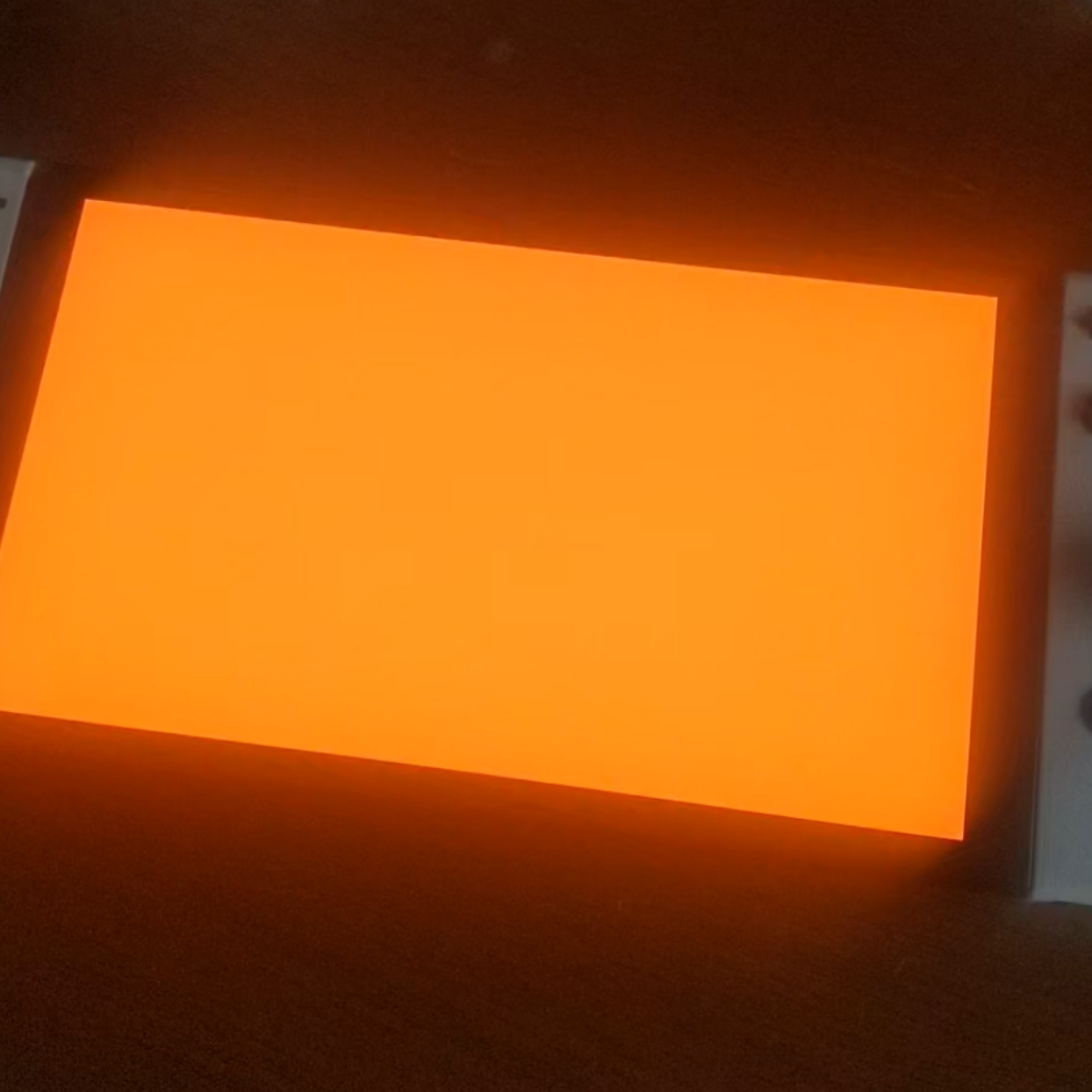
Before assuming the console itself is faulty, consider outside influences. One major factor is the TV or monitor used in docked mode. If the screen looks fine in handheld mode but orange on your TV, the issue isn’t the Switch.
Test with a different television. Connect to another screen using the same HDMI cable. If colors appear normal, the original display was the source.
Try a new HDMI cable. Cheap or damaged cables transmit poor signals. This can distort color balance. Use certified high-speed versions.
Adjust the TV’s picture settings. Many sets have preset modes like “Warm,” “Cool,” or “Game.” Warm mode adds red tones. Change to “Standard” or “Vivid” for accurate colors.
Disable HDR temporarily. Some older HDTVs struggle with HDR formatting. Colors shift when the signal isn’t processed correctly. Turn off HDR in Switch settings to compare.
External docks can cause issues too. Third-party accessories may not deliver stable power. Stick to official Nintendo docks when testing.
Microphones or charging accessories rarely affect display. However, faulty USB-C hubs can interfere. Unplug all add-ons and test again.
Use airplane mode during testing. Wireless interference is rare but possible. Eliminate variables one by one.
If the orange tint disappears on another screen, focus on fixing your setup. Replace cables or recalibrate your TV.
This methodical approach saves time and money. Often, the problem isn’t the console at all.
When to Seek Professional Repair
Knowing the Limits of DIY Fixes
If you’ve tried every software and external fix and still ask, “why is my nintendo switch screen orange,” it may be time for expert help. Persistent discoloration, especially in handheld mode, suggests internal damage. Attempting advanced repairs yourself risks further harm.
Nintendo offers official repair services. Submit a request through their website. Include details about symptoms and past fixes. They will guide you through shipping.
Independent repair shops exist too. Look for those specializing in Nintendo consoles. Read reviews and confirm warranty policies. Avoid places with unclear pricing.
Before sending it in, back up your data. Use Nintendo Account cloud saves for supported games. Transfer screenshots and videos via the mobile app.
Do not open the console unless qualified. Internal screws are tamper-resistant. Removing them voids warranties. Special tools are needed for safe disassembly.
Professionals can replace the LCD assembly. They also inspect the logic board for damage. Burnt capacitors or corrosion may require deeper work.
Battery health should be checked too. Swollen batteries press against the screen. This can cause pressure marks and discoloration.
Ask for a diagnostic report. Reputable shops provide details on what they found. This transparency ensures honest service.
Wait times vary. Official repairs take 2–4 weeks. Expedited options cost more. Independent shops may finish faster.
Investing in professional repair protects your device. A working Switch is worth the effort.
 Preventing Future Display Issues
Best Practices for Long-Term Care
Once you’ve fixed the orange screen, protect your Switch from future problems. Always store it in a padded case. Hard surfaces scratch the screen easily.
Avoid placing heavy items on top. Backpacks, books, or luggage can bend the lid. Keep it upright or flat with nothing above.
Clean the screen gently. Use a soft microfiber cloth. Never spray liquids directly. Dampen the cloth slightly if needed.
Keep it away from extreme heat. Don’t leave it in cars during summer. High temperatures degrade battery and screen components.
Use a tempered glass screen protector. It prevents scratches and absorbs minor impacts. Apply carefully to avoid bubbles.
Close the console slowly. Slamming it shut stresses the hinge. Open and close with care to extend lifespan.
Limit exposure to moisture. Avoid using near sinks or drinks. Water resistance does not exist in the Switch.
Charge properly. Use the official charger or a trusted brand. Poor-quality adapters may send unstable voltage.
Regularly update the system. New patches fix bugs and improve performance. Stay current for best results.
Following these habits keeps your screen clear and vibrant. Prevention beats repair every time.
Frequently Asked Questions
Clear Answers to Top User Concerns
Does the orange screen mean my Switch is dying? Not necessarily. It could be a setting or temporary fault. Only persistent hardware damage indicates serious decline.
Can I fix it myself? Minor issues like filter settings are easy to correct. Physical damage requires professional tools. Do not attempt internal repairs without experience.
Will updating the system fix it? Sometimes. But updates can also cause it. Always check settings after installation.
Is it covered under warranty? Yes, if caused by manufacturing defects. Accidental damage is not included. Purchase extended coverage if concerned.
Does game type affect the tint? No. All content uses the same display output. The issue is independent of software.
Can a screen protector cause discoloration? Not visually. But cheap ones may trap air or reflect light oddly. Stick to quality brands.
How long do repairs take? Typically 2–3 weeks for official service. Local shops may return it sooner.
Should I stop using it? Only if the screen is cracked or worsening. Otherwise, continue while seeking solutions.
 Final Thoughts
Take Action Based on Symptoms and Solutions
Understanding why is my nintendo switch screen orange empowers you to respond quickly. Most cases stem from simple settings like Blue Light Filter. Others point to damaged hardware requiring professional attention. By following a structured approach, you can identify and solve the issue effectively.
Over time, regular maintenance and cautious handling prevent recurrence. Treat your device with care. Small habits make a big difference in longevity.
To conclude, addressing this problem improves your gaming experience. It restores true colors and visual clarity. Simultaneously, it protects your investment in the console.
Whether new to the Switch or a long-time owner, now is the perfect time to act. With growing support networks and available fixes, why is my nintendo switch screen orange no longer needs to be a mystery. Make the smart choice today—your gameplay depends on it.

